


Understanding the Challenging Puppy Phases of the 'Terrible Two' and 'Terrible Teens'.

Updated: Aug 2
We need to recognize how the cute puppy we bring home is not just a playful addition to our lives but is also in a crucial developmental phase where it seeks to understand its environment, including figuring out who to follow and who is enforcing the rules.
From the moment they enter our homes, these little furballs are like sponges, absorbing everything around them. They quickly realize that the structure they once had with their mother is no longer present, and this can lead to a perception that there are no rules governing their behavior.

This absence of clear boundaries can result in the puppy believing it can get away with anything—an enticing prospect for any curious young animal. Without consequences for their actions or clear direction from their human guardians, they may engage in behaviors that are unruly, mischievous, and at times, outright destructive.
Our failure to follow up on the guidance provided by the puppy's mother, whom we refer to as Dam, in maintaining order, setting rules, and establishing boundaries can inadvertently foster an environment where these puppies grow into unruly and disrespectful dogs.
When they do not listen, respect, or respond appropriately to commands, they can become increasingly challenging to manage. This lack of discipline can lead to behaviors that are not only annoying but also damaging, both to our belongings and to the bond we share with our pets.
Navigating the Challenges of the 'Terrible Two' and 'Terrible Teens' phases in Puppies
It is essential to understand that this situation arises not from the puppy's inherent nature, but rather from our shortcomings in training and guidance.
I want to share the stages of the pups' learning phases so we can more easily understand how to establish ourselves as the leader, the parent, or their guardian.
Navigating through the challenges of the 'Terrible Two' and 'Terrible Teens' in Puppies, by recognizing these phases, we can tailor our approach to training and socialization to better meet the needs of our growing puppies.
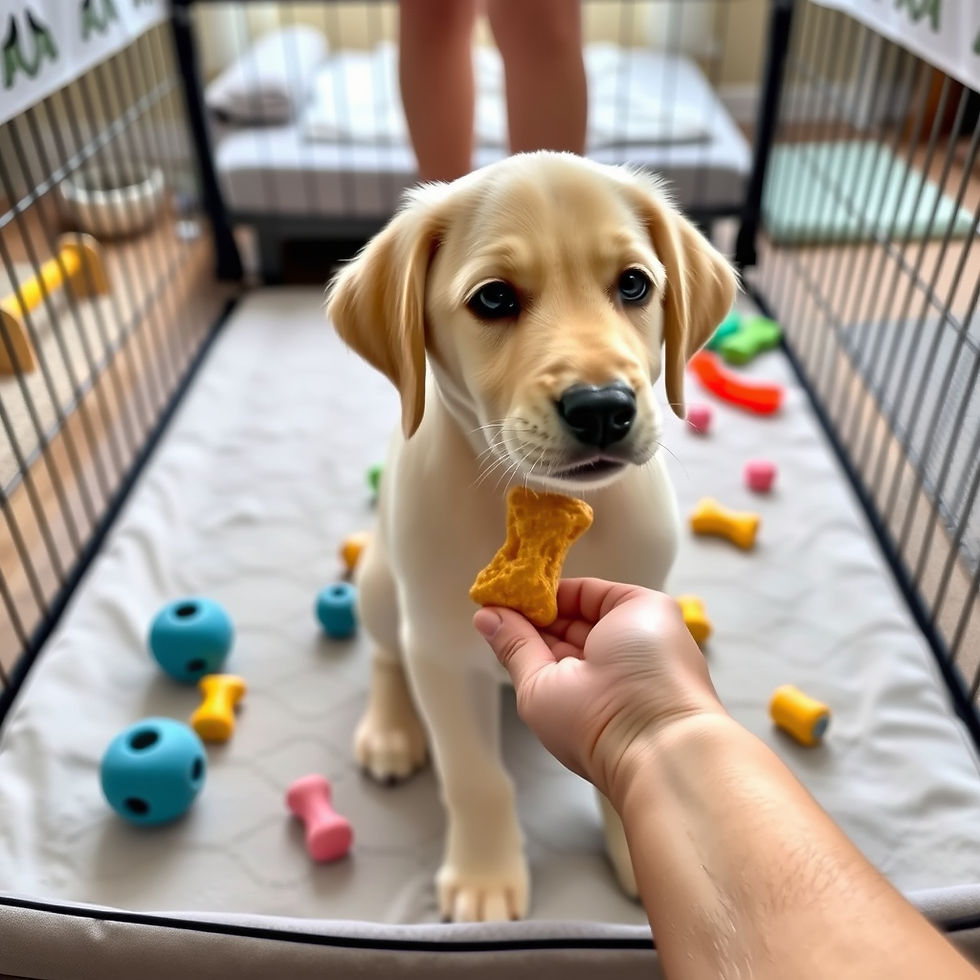
Puppy Phases
Follow Phase (2-4 months old): During this initial stage, the puppy has just left its mother, who played a pivotal role in leading and providing structure. This is a critical time for the puppy to identify who it should follow in its new environment.
Ideally, this figure should be you, the owner. It is essential to nurture this relationship by providing consistent guidance and establishing yourself as the leader. This includes setting boundaries and offering positive reinforcement to encourage desired behaviors.
During this 'Terrible Two' and 'Terrible Teens' phase, puppies are highly impressionable, and your behavior will greatly impact their grasp of social interactions. Instead of stepping around them, walk through them to teach them to move aside. They need to learn to respect your presence and personal space.
I'm not advising you to push them aside, but rather to gently move your feet forward to prompt the pup to move. Similarly, if a pup is sleeping in the middle of the hallway, don't do the same thing. Instead, carefully step over the pup, as startling it could be risky, especially if it's a large puppy.
Furthermore, it's crucial not to disturb a sleeping dog. Sleep is a vital necessity for a puppy's development, requiring approximately 16 to 20 hours daily for healthy growth and mental well-being. Without adequate sleep during the day, a puppy may become difficult, destructive, anxious, and hard to train.
If a large dog, such as a German Shepherd puppy, is already sizable at 6 months old and hasn't learned to step aside, it can obstruct your path, knock you over, drag you around, and disregard your presence. This behavior can pose a risk to those nearby.
First Fear Period: As the puppy continues to develop, it will encounter its first fear period, typically occurring around 8-10 weeks of age. During this time, it is crucial to be vigilant about exposing the puppy to new experiences.
Negative encounters can have lasting effects, leading to anxiety or fear-based behaviors later in life. It is vital to approach this phase with care, ensuring that the puppy feels safe and secure while gently introducing it to various stimuli.
This is a moment to be cautious and protective, cultivating a positive atmosphere that encourages confidence instead of fear. If an incident occurs that might scare the pup, the least helpful response is to pick it up and soothe it with overly gentle words. What they require is calm, confident energy to feel reassured.
Remain calm, breathe, and simply exist. Avoid speaking, touching, or looking at the pup. Your eyes might reveal your empathy, which the pup could interpret as something it can manipulate and use to its advantage. This calm confident energy is what they pup will stay close to and look to for guidance.
Play Phase (4-6 months): In this stage, the puppy begins to explore the concept of play and social interaction. It is essential for the puppy to learn how to engage in play appropriately and to understand the social hierarchy within the household.
The question arises: Where do I fit in? Are we just siblings, or is there a leader in the pack? This phase is critical for the puppy to learn about its own body and boundaries, as well as those of others.
If the puppy has not learned that you are the authority figure, it may mistakenly assume the lead role, resulting in playful but inappropriate behaviors such as grabbing your pant legs, stealing your socks, or chewing on the remote control because of your scent and any lingering food residue.

This playful exploration is essential for their development, but it must be guided. The expression "Say 'uncle!'" signifies submission, and pack trainers mimic this action in alpha rolling a high energy and misbehaving pup, and during play. The puppy must learn the limits of acceptable behavior. This is why establishing a leadership position during this time is crucial; it directly impacts the puppy's understanding of limits and rules.
Failure to teach these boundaries during this critical phase is often why many dogs grow up without responding to limits and rules, leading to further behavioral issues down the line, and needing a behaviourist to assess the level of behaviour therapy your dog needs.
Experienced trainers not only identify this phase but also know how to address it. Many of you may not appreciate the necessary actions and strategies used to prevent this dog from being permanently muzzled or, even worse, euthanized. This is where an Alpha roll would be applied, and only a skilled trainer should perform this, so seek one who teaches Pack Leadership.
Explore Phase (6-8 months): As the puppy enters this stage, it will begin to venture beyond its comfort zone, testing boundaries and exploring new places and experiences. This is a time of significant growth, where the puppy's natural curiosity can lead it to stray beyond the pack, becoming less responsive to commands and guidance.

Without strong leadership during this phase, you risk losing control over the puppy's behavior. These are the pups that run away and have no skill to find their way back. For this reason alone it is essential to step into the role of a parent, guiding the puppy and providing the structure it needs to thrive.
The work focuses on regulation, recovery, handler timing, leash communication, and the moment before barking, lunging, freezing, pulling, or shutting down even starts.
The dog will recognize that you are fulfilling the nurturing role that its mother once held, and this recognition will help strengthen your bond. Establishing yourself as a consistent and reliable leader during this exploratory phase is vital for the puppy's development and will set the foundation for a well-adjusted adult dog.
Most obedience training starts with the visible behavior. This approach starts earlier: with state, threshold, recovery capacity, handler presence, and the dog’s body language before behavior becomes loud. The goal is not suppression. The goal is a dog-human team that can stay connected when real life gets complicated.
We all have the capacity to own and lead dogs in a kind and calm way, and love bombing and treat feeding a puppy is not what they need or even want. They want to feel protection, direction and someone to follow that is kind, respectful, has a stable energy, not overly emotional, but has clear and direct rules and boundaries.
If you are struggling with a pup that is causing you to second guess your decision to get the pup in the first place, you need help, and fast. The stage where early and direct change can have an easy and painless effect is before the dog turns 8 months old.
After that, you will most likely need behavioural assessments and specialized therapy training to get your pup back on track. Call or email Mimi Jacobson with 'The PupHaus' to get assessed to see if there is a program that fits your need.
All the best in your future endeavors...


Comments