


Dog Care Trends and Tips: Insights for Pet Owners

Updated: Jul 18
If you’re anything like me, your dog isn’t just a pet - they’re family. And let’s be honest, caring for a furry family member can sometimes feel like juggling flaming torches while riding a unicycle. But hey, that’s part of the charm, right? Over the years, I’ve picked up some handy dog care trends and tips that have made life easier for both me and my four-legged buddies. Whether you’re dealing with a high-energy pup, a shy rescue, or an old-timer who just wants to chill, there’s something here for you.
Staying Ahead with Dog Care Trends and Tips
Dog care isn’t static. It evolves as we learn more about our canine companions and as new products and techniques hit the market. One trend I’ve noticed is the shift towards holistic care. It’s not just about feeding and walking anymore. We’re talking mental stimulation, emotional well-being, and personalized training plans that actually work.
For instance, are you aware that mental activities can exhaust a dog as much as a lengthy walk? Puzzle toys, scent games, and basic obedience exercises can engage your dog’s mind. This is particularly crucial for high-energy dogs that appear to have boundless energy, as well as for senior dogs who may not be very mobile but gain mental stimulation from observing lively, playful actions.

Another trend is the increasing popularity of positive reinforcement training paired with a softer R- approach, which I have been practicing for ten years. This method closely resembles Cesar Millan's calm assertive training. Although I occasionally use touch, I prefer utilizing my body to block and assert my space.
We must be cautious not to rely exclusively on R+ training. Boundaries and rules are crucial, and it's important to acknowledge the role of negative reinforcements and understand their use in training. Raising our pups solely with R+ training is not sufficient.
Treat-based training is effective, but failing to address the consequences of undesirable behavior can result in a spoiled dog that becomes disobedient and potentially aggressive. I've seen this firsthand, as many of my recent clients have mentioned that they exclusively used positive reinforcement training with affection, and now their dogs are unresponsive and starting to show aggressive tendencies.
We need to understand that R- does not mean harsh corrections and yelling. It is simply removing a reward or attention. A gentle tug on the leash to encourage less pulling, or simply stopping and not moving until the leash is loose. Old school dog training with harsh pulling and yanking, using prong collars and muzzles is not training a dog, it's simply adding a band- aid on a wound without cleaning it first. It will just fester and get worse.

By rewarding good behavior with treats, praise, or playtime alongside R-training, the dog learns that doing one thing results in love and treats, while doing something else leads to being ignored, receiving zero attention, and potentially missing out on treat time. When executed with proper timing and a calm neutral energy, the dog quickly understands that being good brings rewards. This clarity fosters a happier, more confident dog because they quickly figure out what is expected and what pleases their guardian.
If your trainer missed this point, don't worry—you're not the only one. Many have experienced this, and it's never too late to change direction. We understand that love bombing someone is exhausting for the recipient, and they will soon realize they can manipulate the person doing it. This approach does not foster respect or motivate most dogs to change undesirable behavior. While some dogs may thrive on this, I would be surprised if this dog is well-mannered and socially adept with everyone else, and in a new environment.
Feeding Your Dog: More Than Just Kibble
Feeding your dog well is foundational to their health. But with so many options out there, it can be overwhelming. I’ve learned that quality matters more than quantity. Look for foods with real meat as the first ingredient and avoid fillers like corn or soy.

Have you ever tried rotating your dog’s diet? It’s a trend gaining traction because it mimics the variety dogs would get in the wild. Plus, it can help prevent food sensitivities. Just make sure to transition slowly to avoid tummy troubles.
And don’t forget hydration! Fresh water should always be available, especially if your dog is active or the weather is warm. I keep a portable water bottle and bowl in my hiking pack for those long adventures.
Socialization and Training: Building Confidence and Calm
Socialization is a biggie, especially for shy or reactive dogs. It’s not just about meeting other dogs; it’s about exposing your pup to different environments, sounds, and people in a positive way. This helps reduce fear and anxiety, making life more enjoyable for everyone.
If your dog struggles with recall during hikes or gets overwhelmed in busy places, consistent training is key. Short, frequent sessions work best. Use high-value treats and keep the tone upbeat. Remember, patience is your best friend here.
For those with reactive dogs, consider working with an animal behaviourist. They can tailor a plan that addresses your dog’s specific triggers and helps you both navigate challenges. It’s a game-changer.
Exercise and Mental Stimulation: The Dynamic Duo
Exercise isn’t just about burning energy; it’s about balance. High-energy dogs especially need a mix of physical and mental workouts. Think of it like this: a tired dog is a happy dog, but a bored dog? Well, that’s when the couch cushions start to look like chew toys.

Here are some ideas to keep your dog engaged:
Interactive toys: Kong toys stuffed with treats or frozen peanut butter are a hit.
Training games: Teach new tricks or practice commands.
Scent work: Hide treats around the house or yard and let your dog sniff them out.
Structured walks: Change routes and include some obedience work on the go.
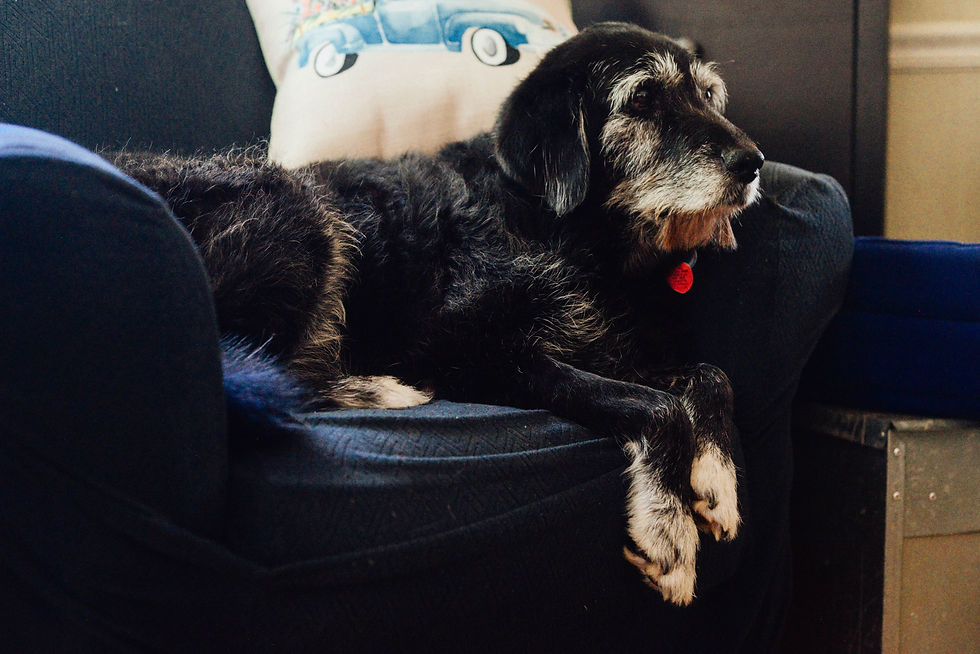
Dog Daycare: Lying on a comfy couch watching the young ones play and zoom is a great way to offer mental stimulation and to tucker out an old dogs brain.
Socialization: Dog daycare is a great place for the high energy dogs to zoom, sniff and seek, romp and play, and gives you quiet and calm couch time after a long day at work.
For older dogs, mental stimulation can help keep their minds sharp. Puzzle feeders and gentle training sessions are perfect.
Managing Your Dog’s Health and Wellness
Keeping your dog healthy goes beyond the vet visits. Regular grooming, dental care, and monitoring for any changes in behaviour or appetite are crucial. I’ve found that setting reminders for these tasks helps me stay on top of things.
Vaccinations and parasite prevention are essential. Due to Surrey's climate, ticks and fleas can be a persistent problem throughout the year, so consult your vet for the most effective prevention strategy. I've heard that ticks are currently active in Surrey, so make sure to get your pet the protection it needs.
If your dog has special needs - maybe they’re older or have a chronic condition - personalized care is essential. This might mean adjusting their diet, exercise, or even their daily routine. Don’t hesitate to ask your vet, dog daycare or a behaviourist for advice.
Finding the Right Support for Your Busy Life
Life gets hectic. Between work, family, and everything else, sometimes you just can’t be there for your dog as much as you want. That’s where comprehensive dog daycare and training services come in. Having a trusted place where your dog can play, learn, and socialize while you’re busy is a lifesaver.
I’ve learned that the best providers don’t just watch your dog - they understand their unique needs and help you build a stronger bond. Whether it’s puppy training, behaviour modification, or just a safe space for your dog to burn off steam, having that support makes all the difference.
If you want to dive deeper into these topics, check out this dog care blog insights for more tips and stories from fellow dog lovers.
Making Every Day Better for Your Dog
At the end of the day, dog care is about love, patience, and learning as you go. No one’s perfect, and every dog is different. But with a little effort and the right information, you can create a happy, healthy life for your furry friend.
So, what’s one thing you’re going to try this week? Maybe it’s a new training game, a different walking route, or just some extra cuddle time. Whatever it is, your dog will thank you with wagging tails and sloppy kisses.
Remember, you’re not alone on this journey. There’s a whole community of dog lovers out there, ready to share advice, laughs, and the occasional “oops” moment. For an all around dog service in Surrey, be sure to check out 'The PupHaus' and all it's services. We're here’s to many more adventures with your best buddy!


Comments